
Never skip a workshop
No pain, no brand

I started lifting weights in September last year. Deeply satisfying to see how your body adapts – one day you’re reaching for the tiny dumbbells, the next you’re throwing a 30-litre cat litter bag over your shoulder and upstairs to your flat, leaving the DPD guy with heart eyes in the doorway.
But come January, I plateaued. Ugh. I was doing my routines 3 or 4 times a week, locked in, headphones on. This Aries wanted new PBs fast… is that too much to ask? Turns out yes, it was too much to ask of myself. So I changed it up, started joining classes, training with pals, eating a bit better, a bit more, asking the guy hogging the cable machine what exactly he was doing. And it’s worked! With people correcting my form, pushing me, pushing each other, sharing tips, feats and struggles, I’ve got this fresh wind of ‘I want to try this, I CAN do that’. I’ve got my mojo back!!
Growth is so rarely a one-person show. It’s shaped by pressure, exchange and the presence of others. You might have heard of Pixar’s Braintrust sessions in which peers review films mid-production with total candour and trust, together “pushing towards excellence, rooting out mediocrity”. You might also think of writers’ rooms – messy, argumentative, generative – or table reads where actors breathe life into scripts. A jazz saxophonist riffing off a drummer. Or even how language evolves in conversation. How trees are strengthened by the wind, dough transformed by yeast. This is why workshops are so important.
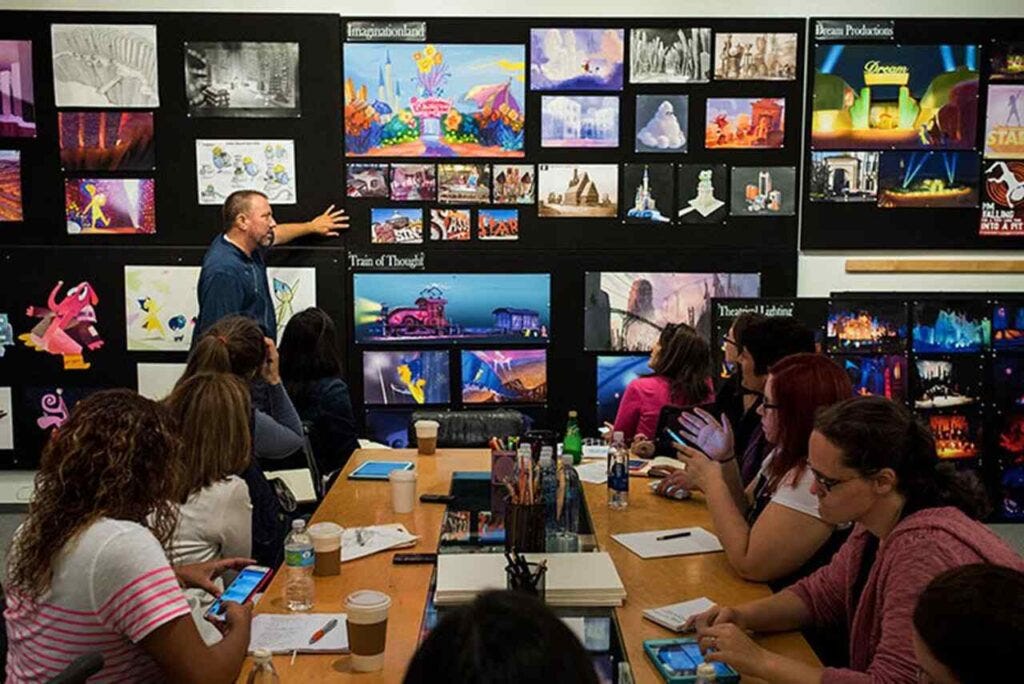
Very few great, lasting things are built in a vacuum. Not forests, films or my muscles. And not brands either. It’s why workshops are such an integral part of every Sonder process – from scrappy working sessions to half-dayers with worksheets, post-its across walls and, occasionally, improv (more on that later). And why we turned the sessions we do on big repositioning and tone projects into standalone offerings for start-ups, small businesses, charities and some bigger brands (like Jerms, Hello Klean and Bare Biology).
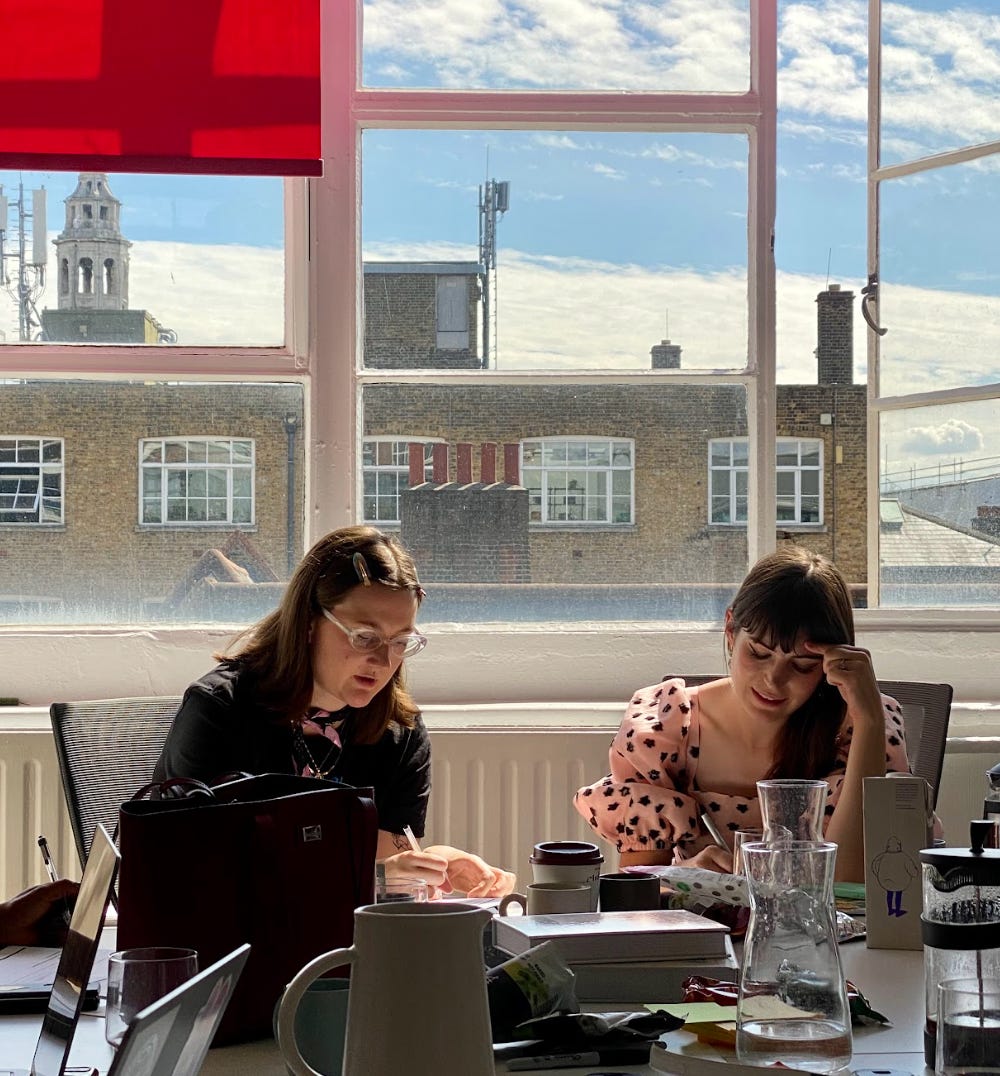
Workshops are OXYGEN. Where you get in, get messy, pull things apart to rebuild stronger. We’ve had clients call them therapy. Others energy boosters. Some implementing ideas that same afternoon. And with every workshop, we take away learnings for the next – tweaking exercises, adapting to different teams, changing the way we present and the tools we use.
Below, we’ve put together a list of some of the standalone workshops that you can do with Sonder, so if you’re interested, reach out. But first, we thought we’d share a few things we’ve learned from running them. Thoughts in progress…
Things we know about workshops
The first 20 minutes are more important than the next two and a half hours
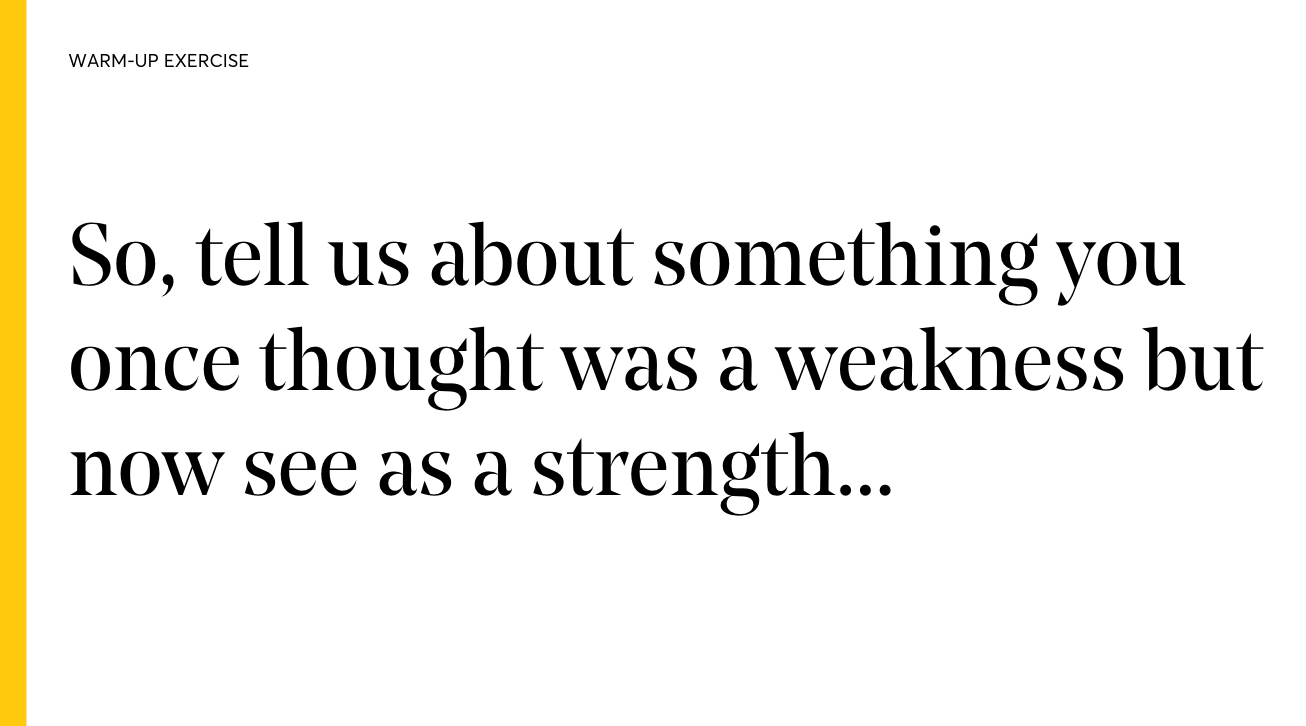
It’s a no-brainer but a good ice breaker really gets brains firing. We’ve run improv exercises (A to C thinking; using people’s last word to start your new sentence) and have had people describe physical, meaningful objects as a springboard for far less tangible questions.
The point isn’t really the answer, it’s the permission to get creative, silly, deep. Get comfortable thinking out loud in the group. You set the tone for the rest of the session.
Everything is political (and alignment is possible)
Hate to break it to you, but not everyone in the workshop wants to be there no matter how many gifs you put in the slides. Deadlines are tugging at their attention. They’ve been in this role for 7+ years and why should some new head of brand or some person from an agency know it better?
When people push back, they’re often asking a different question than the one on the slide. Not ‘is this personality right?’ but ‘how am I meant to implement this?’ or ‘what does this mean for my role or my team?’ As much as workshops are about generating big ideas, they’re also great tools for keeping – or getting – people on board. Surface that tension. Make them part of the change… and they’re far more likely to champion it later on.
Push past the obvious
Across workshop exercises push people past the obvious. Take a USP and exaggerate it. Imagine a wildly successful but totally unexpected future. Those internal values… how would you plaster them on a placard and make people care? Get ridiculous, uncomfortable. Workshops are meant to be fun and generate ideas.
Give good stimulus (but not too good)
Picture this: it’s games night and your friend Max is explaining Catan. You’re nodding, but internally… he might as well be speaking Simlish. Of course you have no idea what’s going on when your turn rolls around, but several hours and moves into the game, it’ll have clicked. In workshops, where time is tight, you need to give those eurekas a head start. Explain the exercise and show an example or two of what an answer might look like for the brand.
Caveat is: don’t make it too good. When you’re creating that deck and you’re deep in the research, the temptation is to lay out ideas like trophies. Your smartest insights, sharpest articulations. But in the workshop people have 10/15 mins to answer. Show perfect and the room copies or goes quiet. The goal right now is to invite, not impress.
Out-of-category is oxygen
Some of the best sparks happen when you pull in the references no one expects. A horror film to talk about tension and pacing. A restaurant menu to rethink messaging hierarchies. A news story from a few weeks back that got the dots connecting. Art, science, honestly anything. Lateral thinking loosens category clichés and reminds people that competitors aren’t the businesses next door, but indifference.

Facilitate the room you have, not the one you planned for
You’ve prepped the perfect agenda. Then the CMO joins late. Or you get stuck in a lift with no signal right as your workshop’s kicking off five stories up (true story). Or perhaps it’s simply that a discussion feels worth sticking with longer than your timings. Or an answer renders the next exercise pointless. Rigidity kills curiosity. Know what you need from the workshop and keep your eye on that, not the exercise order.
Go analog. Or at least think like it
Sure many of us will have heard the old “I’ll ask my favourite colleague Claude” around the office by now. But dear readers, a workshop is just not the time and place. Screens down, eyes up, brains on, all in. If this session’s going to be successful, it should feel different than your bang-average Tuesday meeting. Get paper rustling, people walking around, post-its you cluster and rearrange. The body remembers what the inbox forgets. And if you can’t do it in person, apply that analog thinking online. Use Miro boards, get people thinking and sharing in groups, and keep the energy up.
Sonder & Tell Workshops
Workshops are part of every Sonder project but a few years ago we started running them as standalone sessions too.
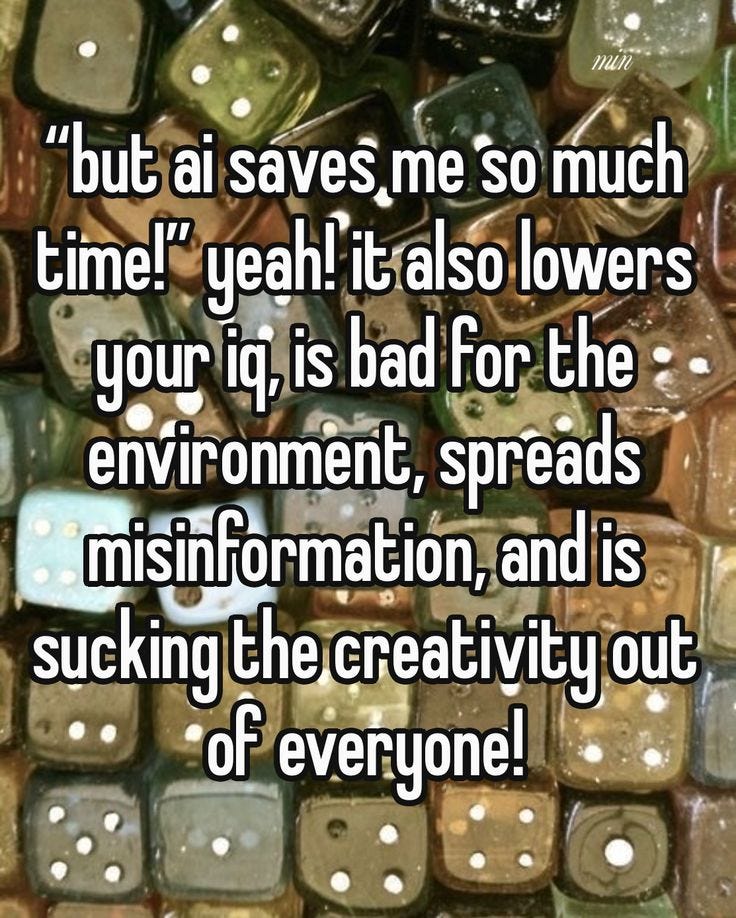
They’re for those moments when a team knows something isn’t quite clicking – positioning feels fuzzy, the voice isn’t landing, AI is speeding things up but flattening everything out – and you need a focused session to reset direction.
Storybook Positioning Workshop
Does everyone on your team understand your brand in a different way? Create content with a slightly different take? Switch up your message every 10 minutes instead of rallying behind one? In this sprint-style workshop we take the core thinking from our larger repositioning projects and run through the foundations together: who the hero really is, what tension you’re solving, where you can own space in the market and the belief that guides everything you do. Teams leave with a clearer strategic spine and a positioning they can actually use in marketing the next day.
Personality & Voice Intensive
Having a personality and voice can shape your perception as much as your product, yet often people don’t have it defined. This 2–3 hour session helps teams define the role their brand plays in people’s lives, then shape a voice that reflects it. We explore tone, language, boundaries and the edges of personality so your brand cuts through instead of blending in. You leave with a clear voice framework and practical tools your team can start using immediately.
Tone of Voice training
Tone of voice guidelines are great until the team has to actually write something. Our training sessions turn those guidelines into muscle memory. Through exercises and live briefs we help teams practise applying their voice across real scenarios: product pages, emails, ads, social, and even AI-assisted writing. The goal isn’t just understanding the voice it’s helping your team use it confidently every day. We run these for people who have done guidelines with us and for people that haven’t!
Make AI Your Collaborator
Everyone’s using AI. Very few brands are using it well. This hands-on workshop shows founders, copywriters and marketing teams how to use AI as a creative collaborator rather than a shortcut. We explore prompting, brand voice control, and ways to keep originality and humanity in the work. Think better outputs, less generic copy, and a team that knows how to guide the machine instead of sounding like it.
Talks & Team Boosters (60–90 mins)
Short creative sessions designed to spark new thinking inside teams. Topics include standing out in saturated markets, storytelling through content, making paid social fun again, and writing sharper copy. Good for away days, team resets or moments when the creative energy needs a kick-start.
Think a workshop could work for you? Let’s talk.
The Vortex
If you’re a fellow strategist and want to get into workshops, Camilla Petty from Show Your Thinking wrote this ultimate guide.
Creativity, Inc. by Ed Catmull. A brilliant look inside Pixar, including the Braintrust model and how candour fuels creativity.
Doomerism, edgelords and nonchalance is out. Play is the meaning of life!!
Lapping up the copy on the Jeni’s x Bridgerton collab.